About the friary
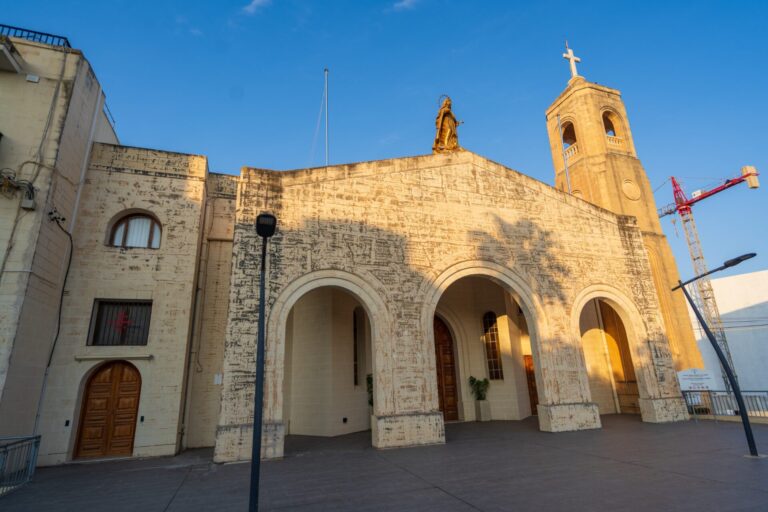
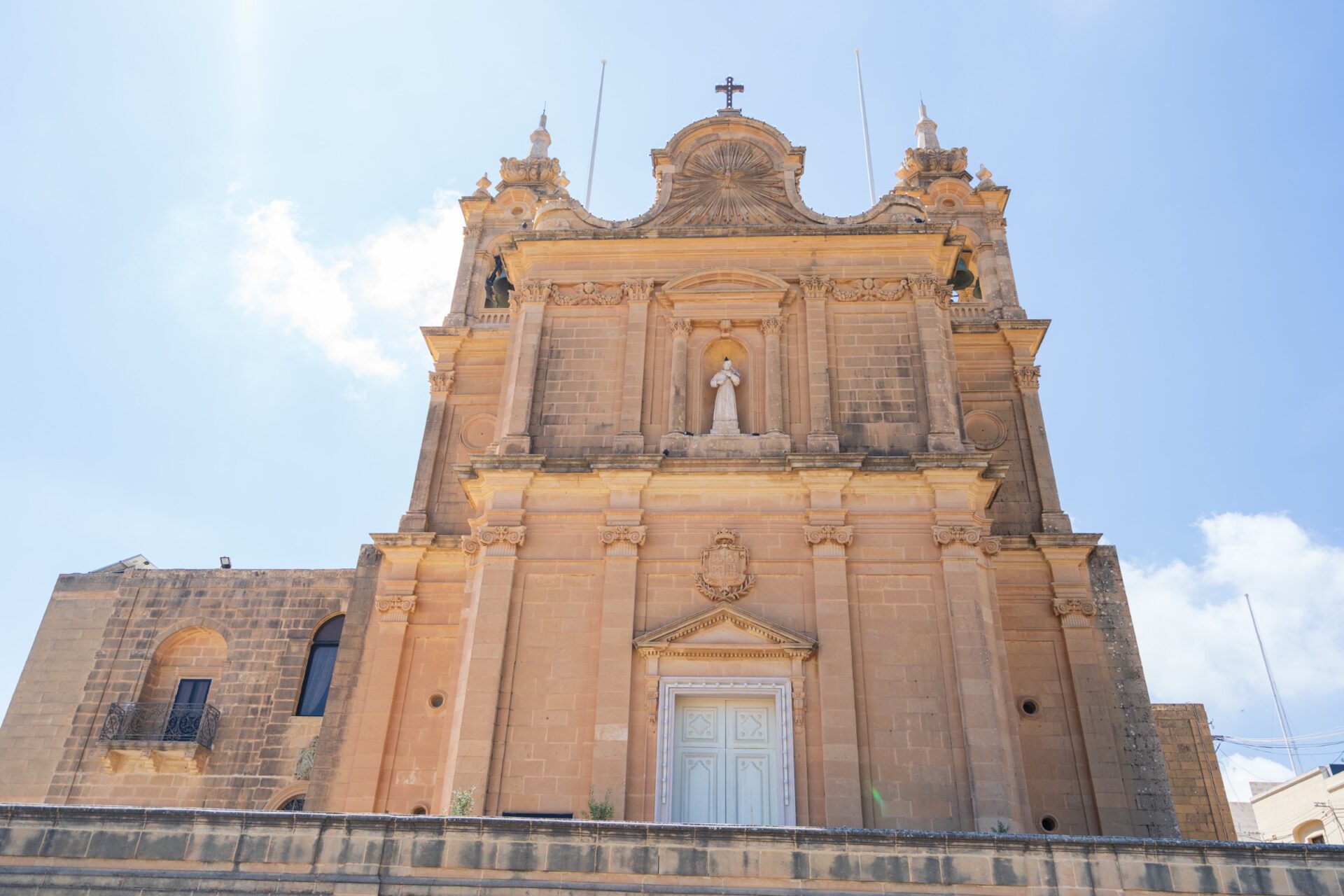
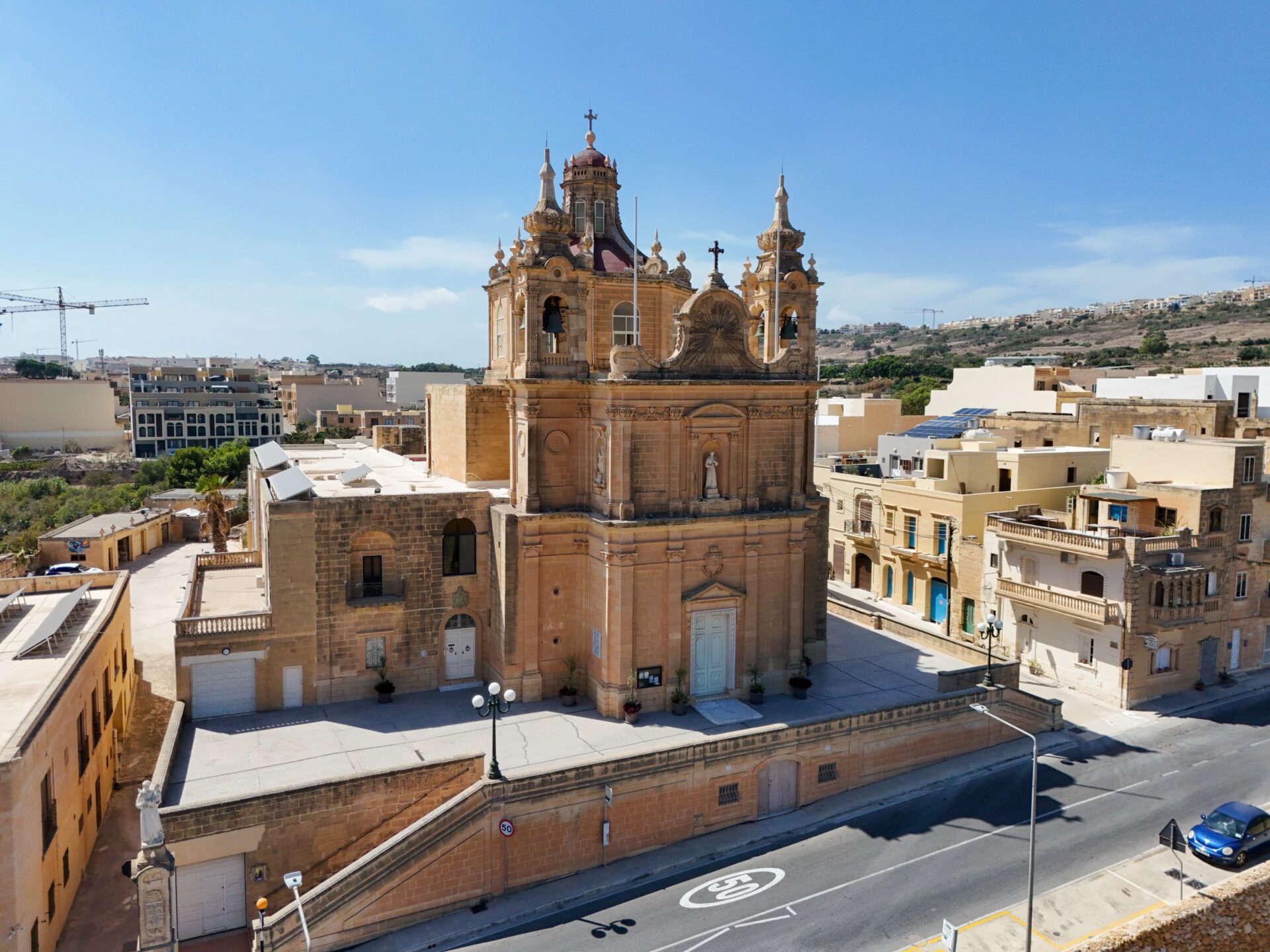
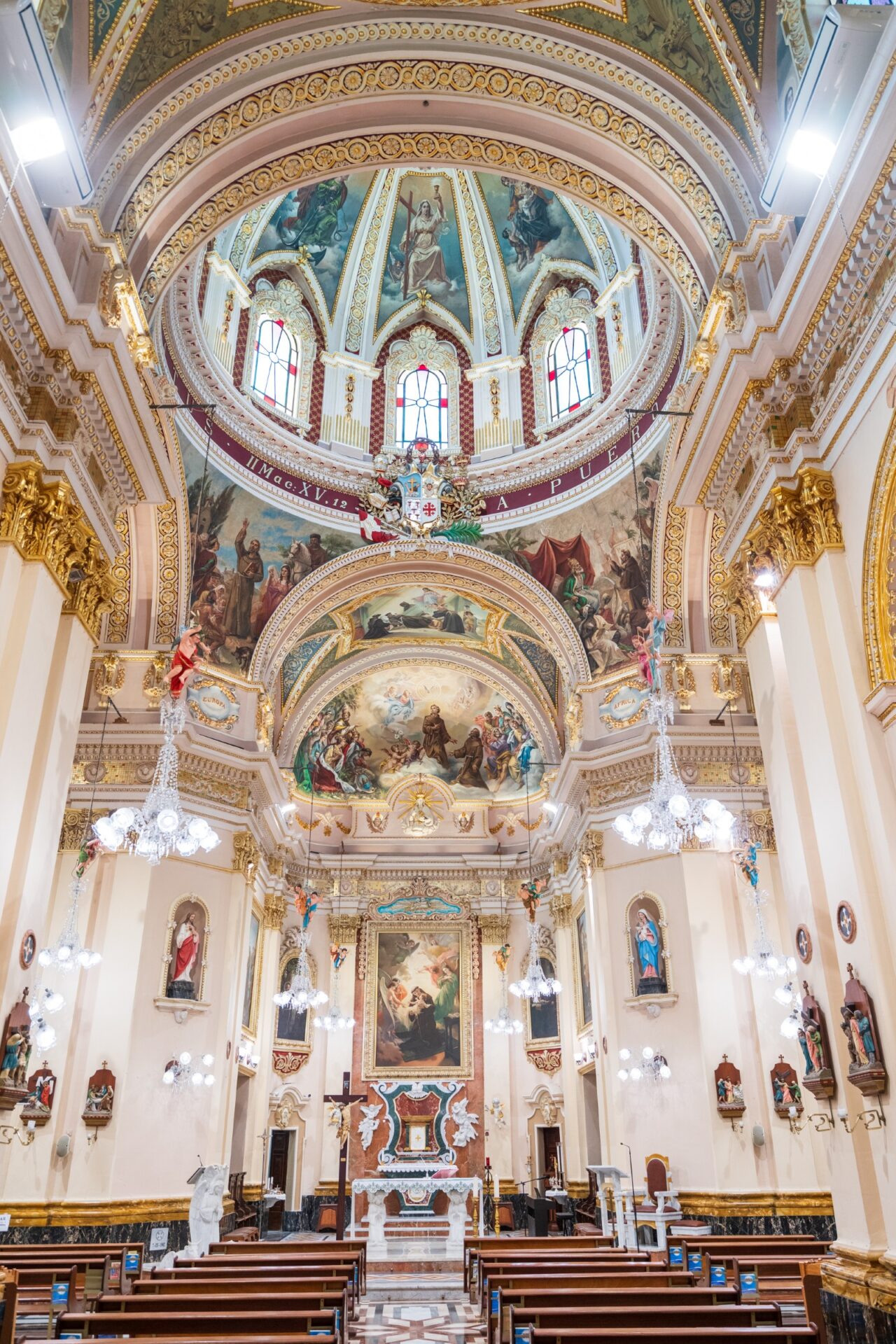
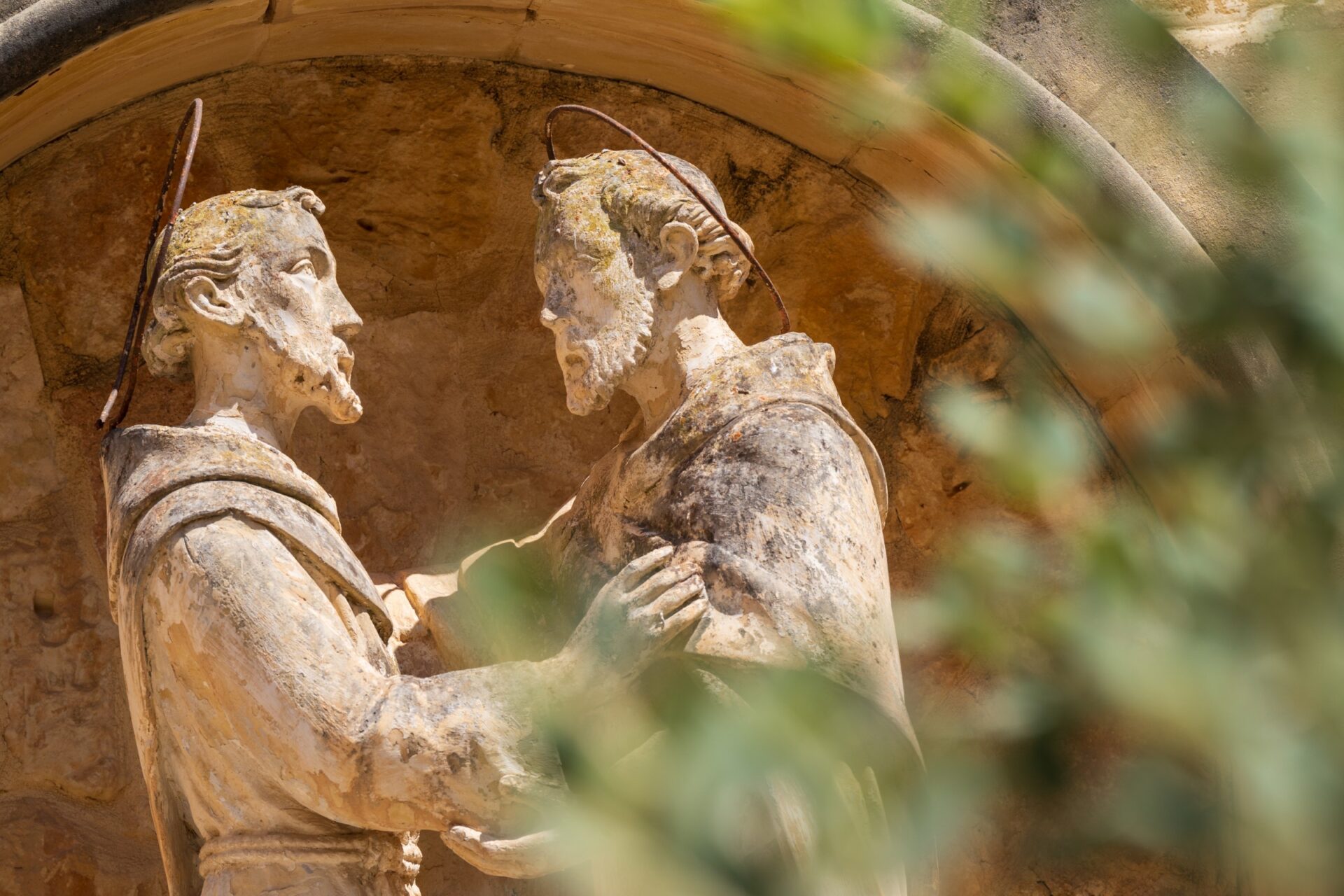
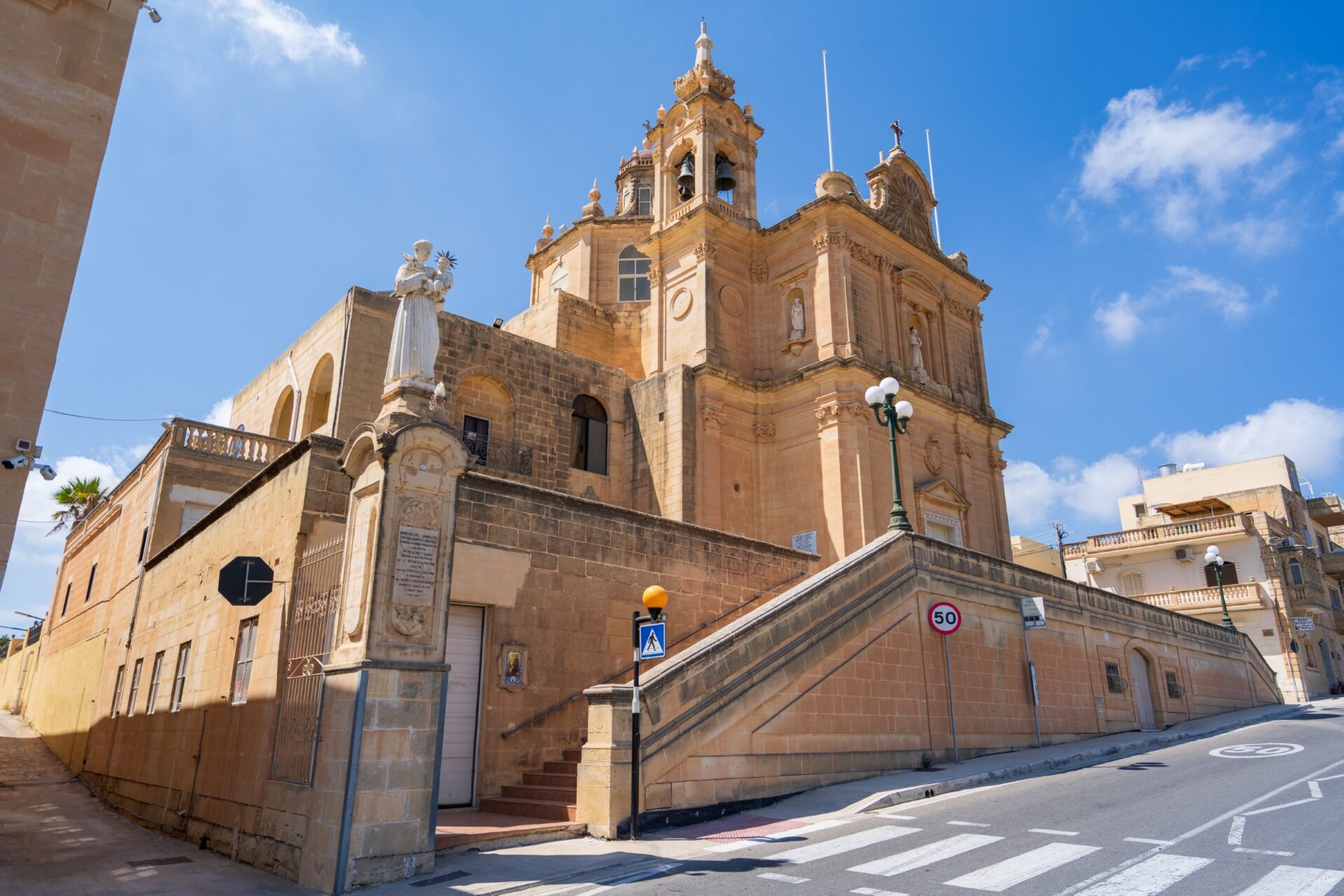
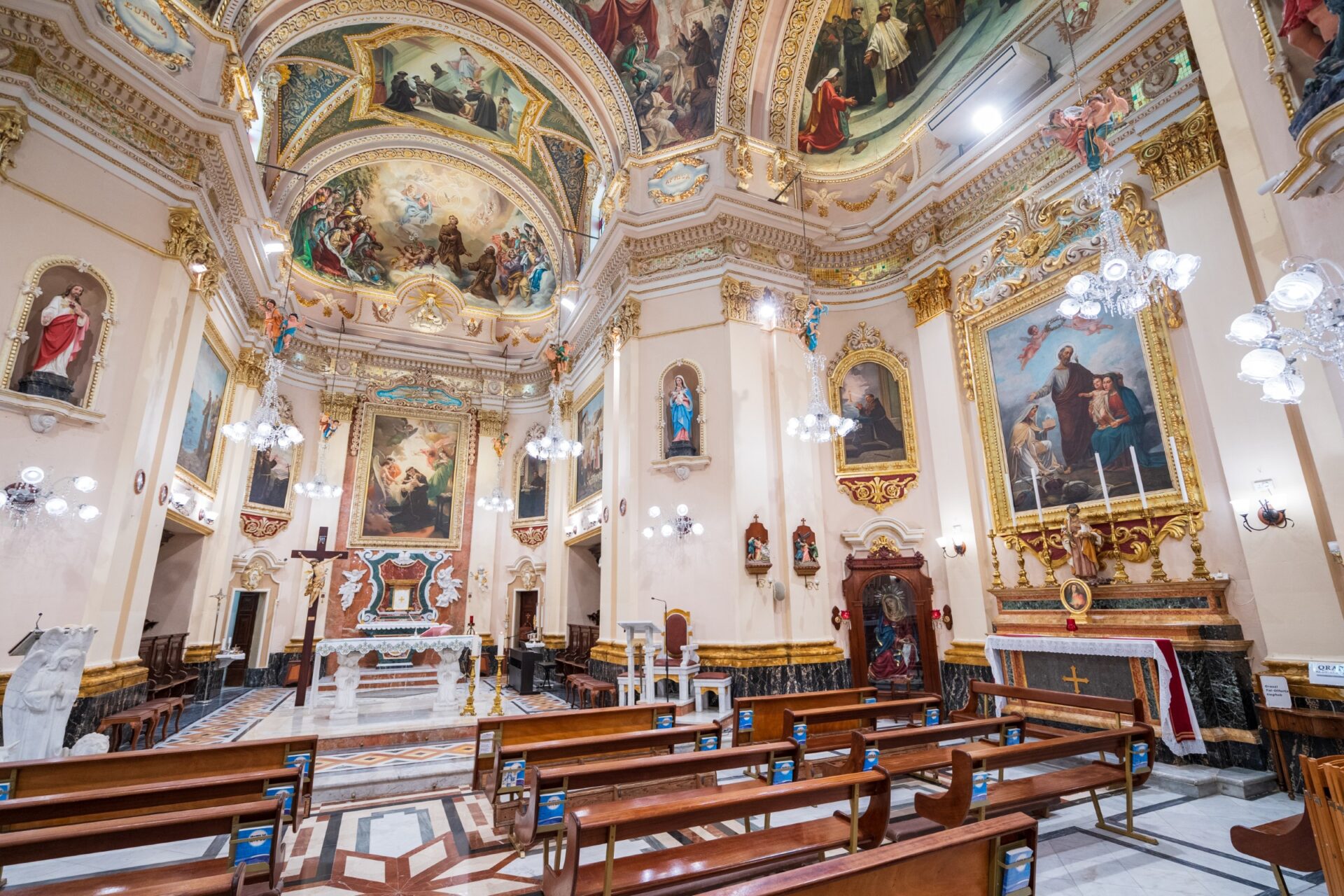
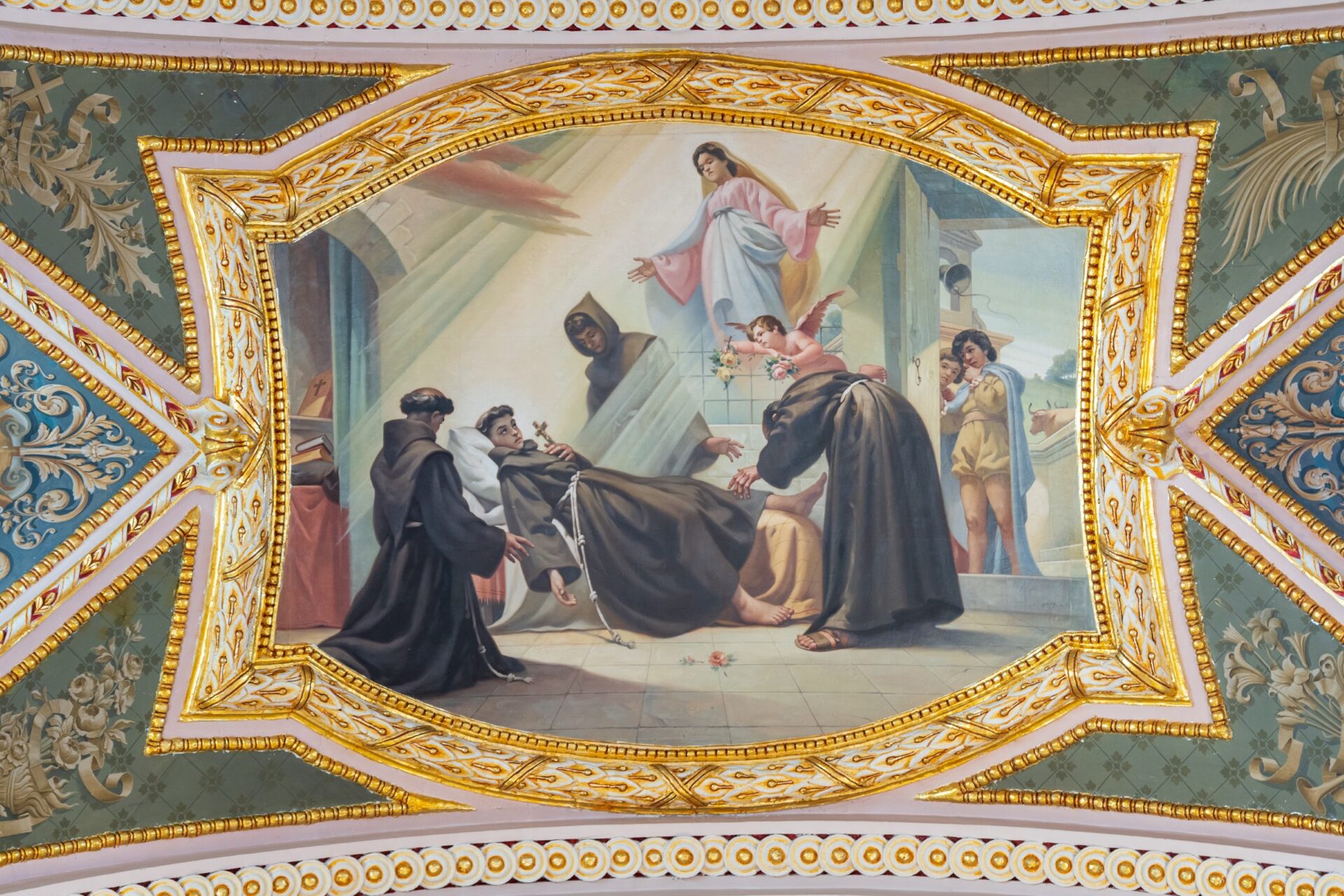
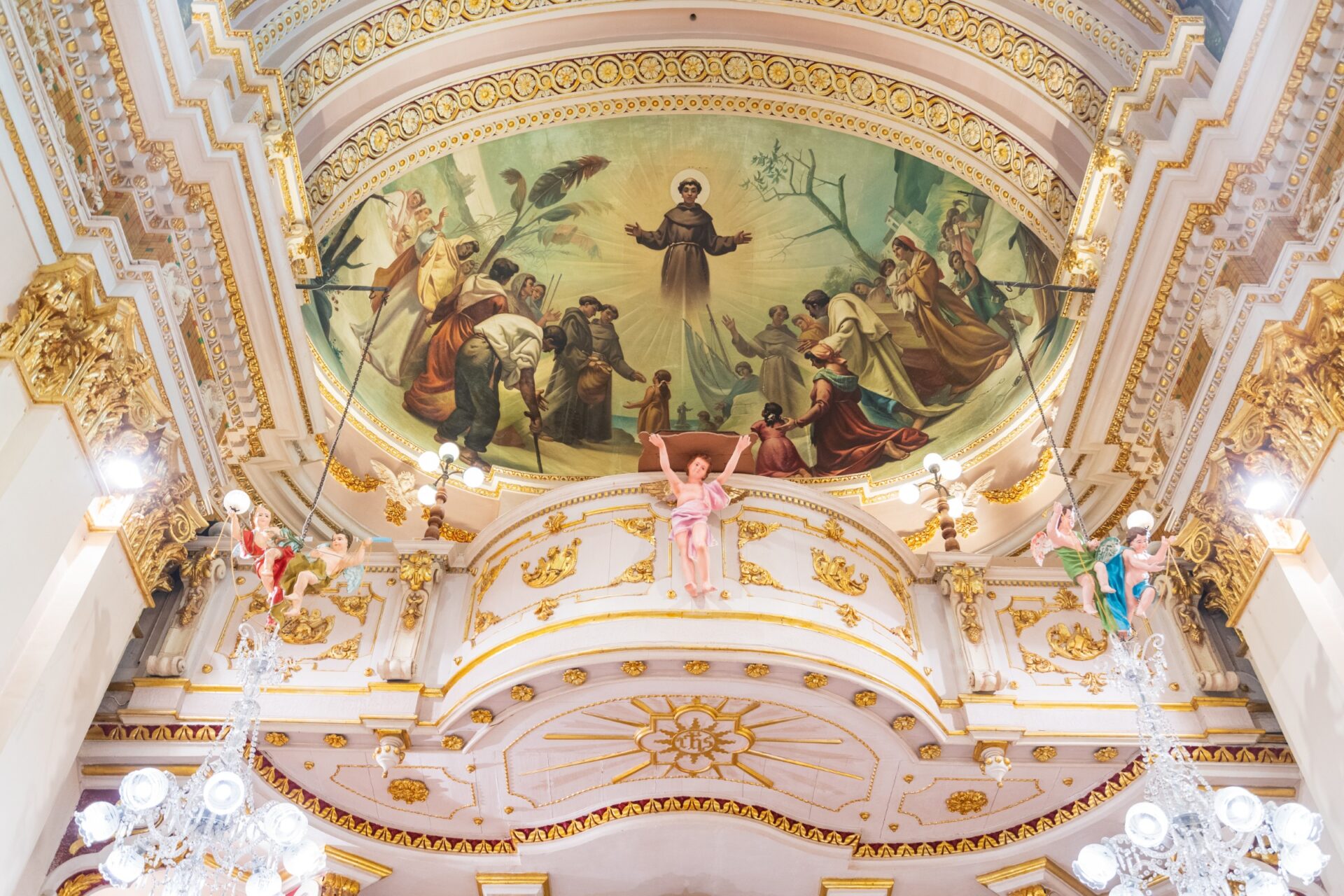
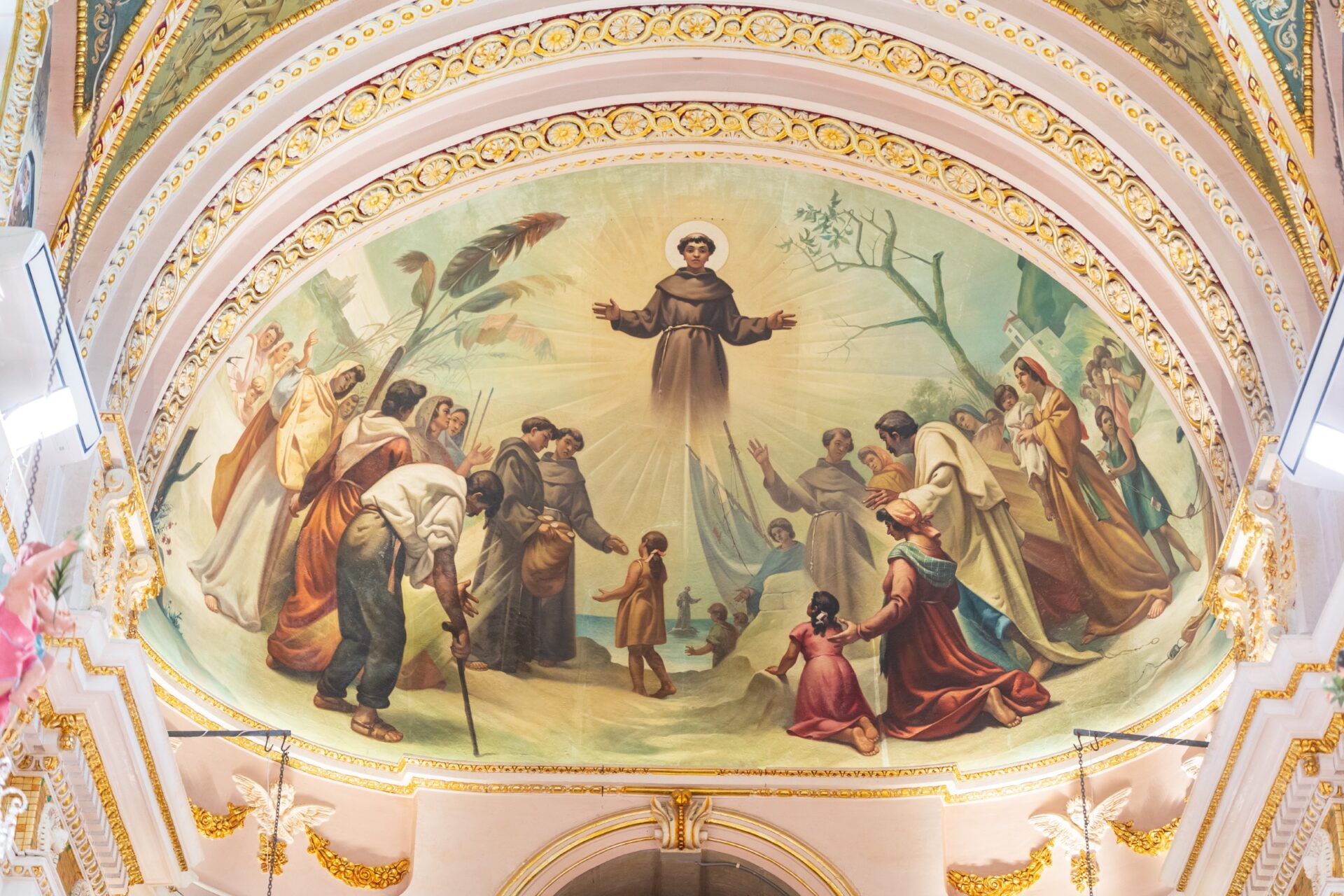
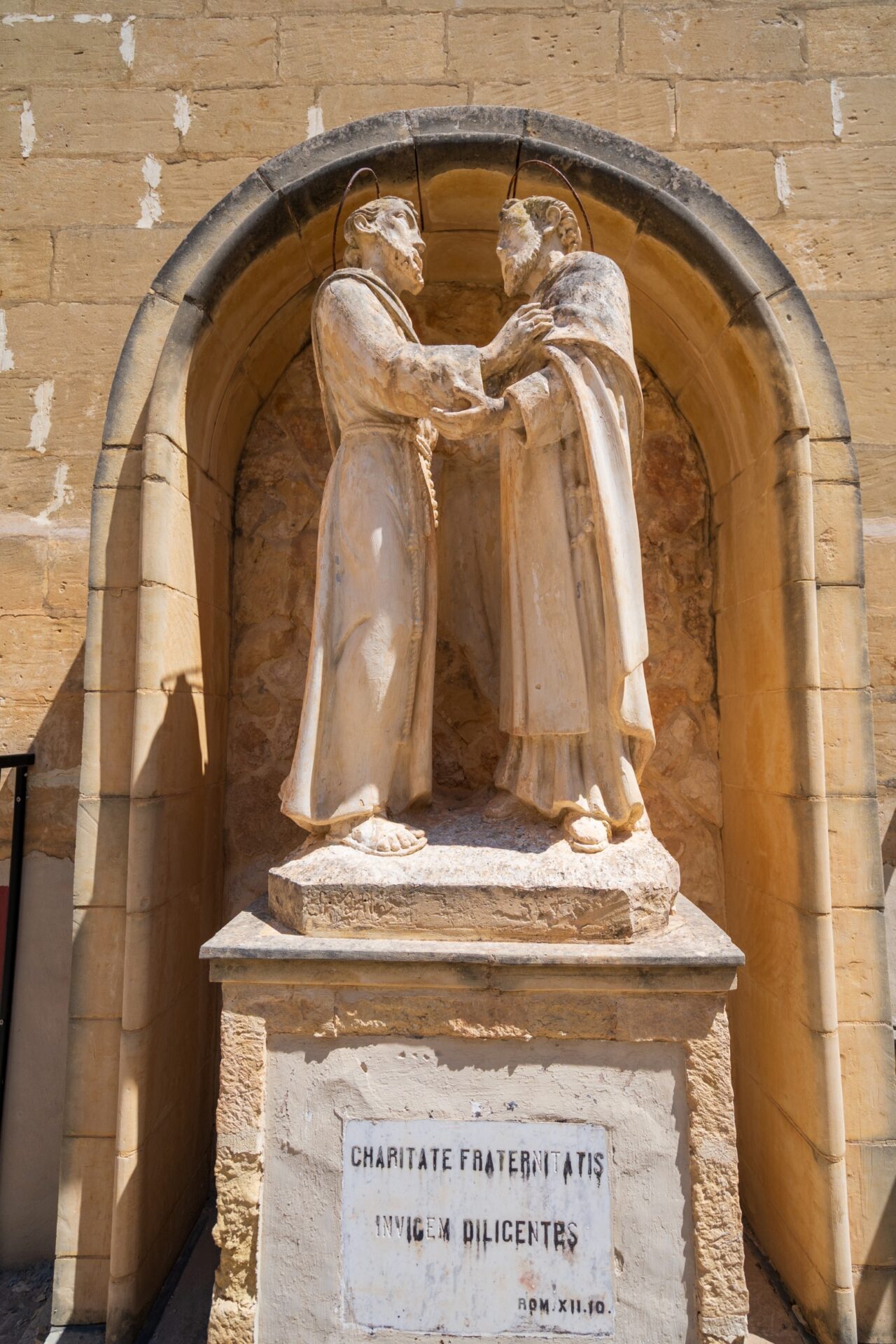
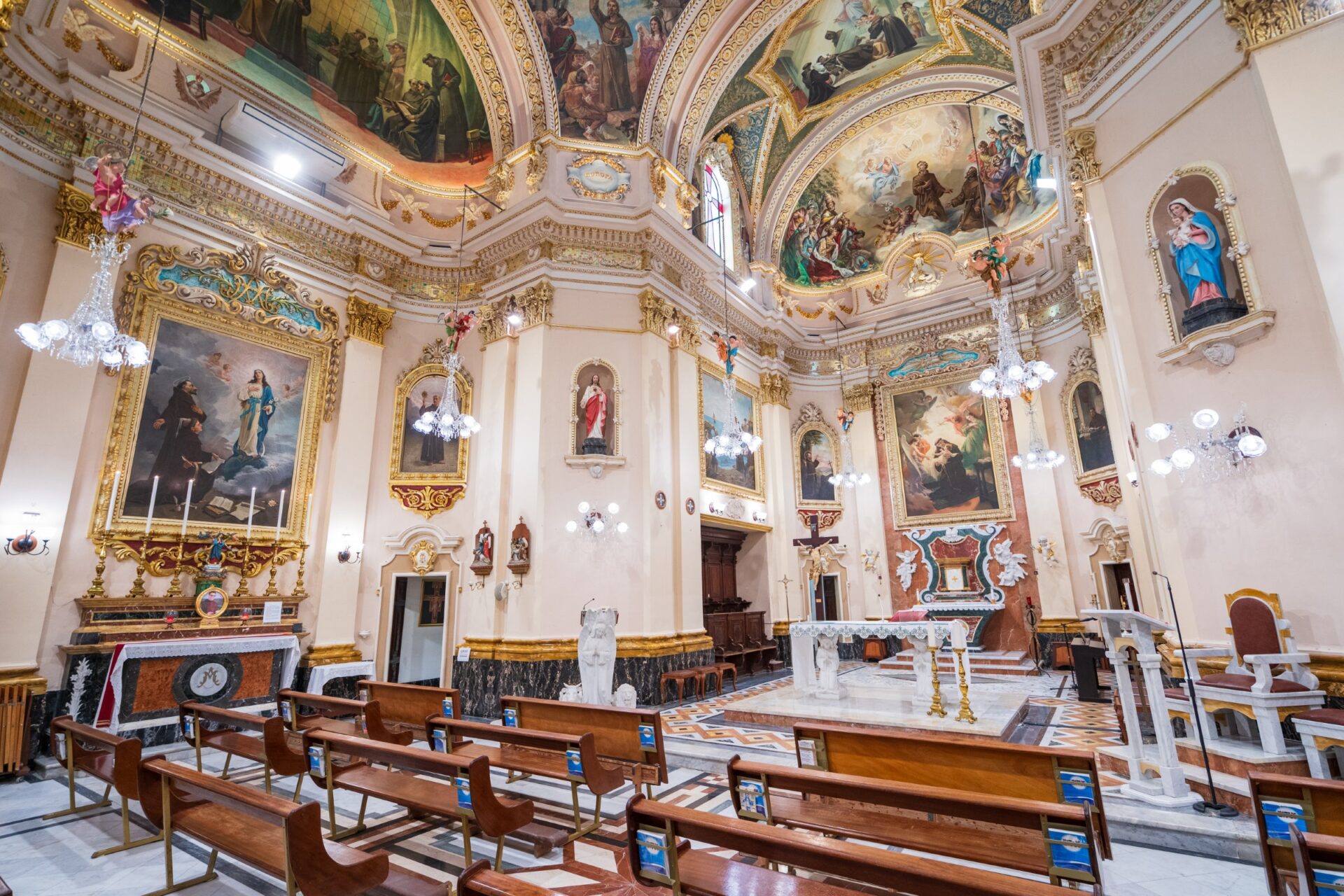
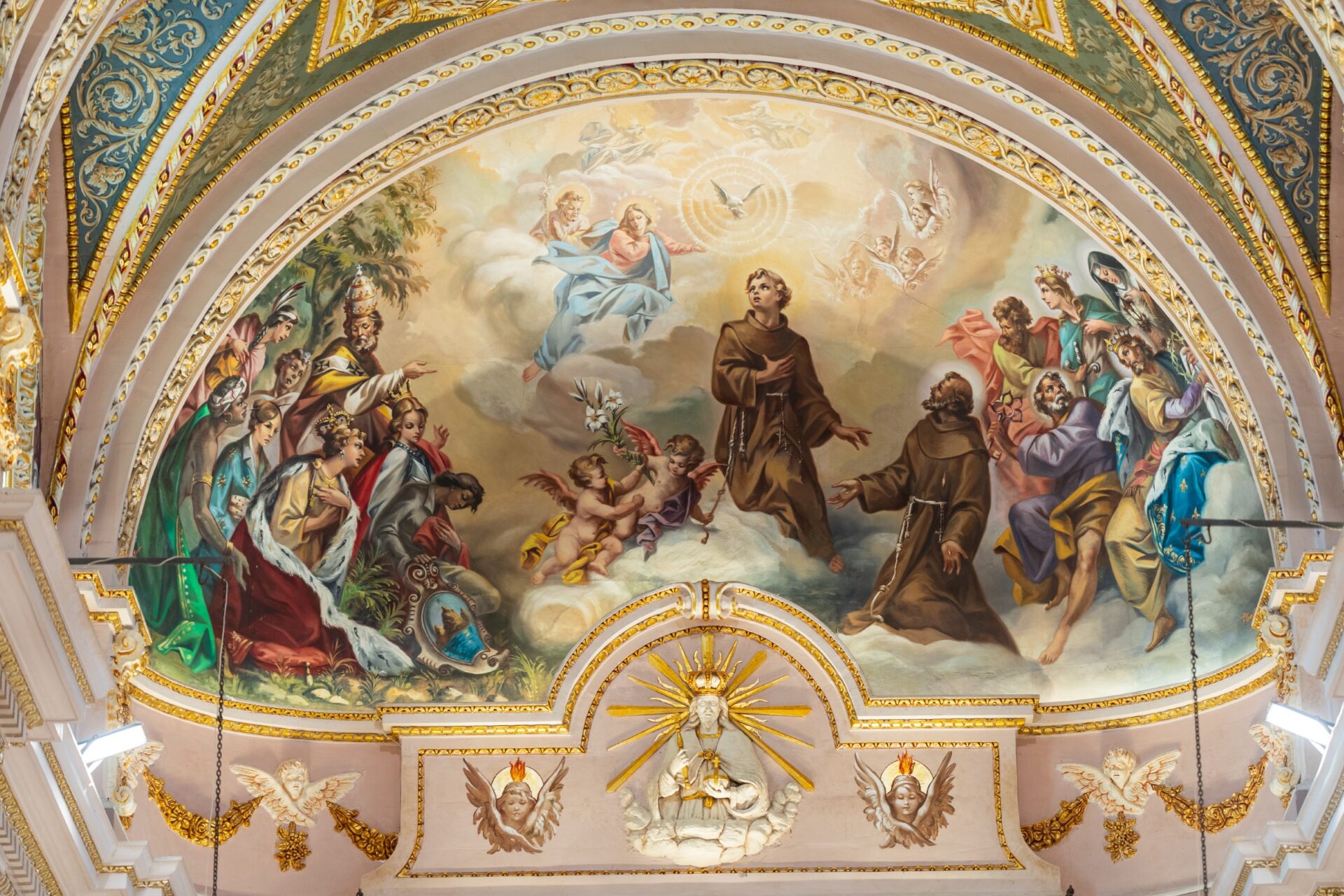
The idea to found an OFM friary in Gozo was born in 1899 when the Visitator General Fr. Raphael Delarbre D’Aurillac proposed the building of a seraphic college in Gozo for the formation of candidates to the Franciscan life. The Custos of the Maltese friaries was Fr. Anton Maria Cesal, who worked hard to found a Franciscan fraternity in Għajnsielem, Gozo, in a large house on the outskirts of the village, below Nadur and close to Qala. The first friars settled down in this house, known as Ta’ Gliex, in 35 Strada Nadur, Migiarro, Għajnsielem, on 22 November 1899. The house was the property of Fr. Ġwann Borg, Canon of the Collegiate Church of St. Paul in Valletta, who used to come with his family to Gozo for holidays in a nearby house on which one still sees the statue of St. Paul. Fr. Cesal personally accompanied the first friars to Gozo. They soon arranged the hall on the ground floor into a provisional chapel. Initially this foundation had to be a friary and novitiate college dedicated to the Archangel St. Raphael, maybe out of respect for Fr. Raphael Delarbre. The title was short-lived, since by 1901 documents already speak about the friary bearing the name of St. Anthony of Padua. Fr. Cesal had to face difficulties because he had also been offered the possibility of opening a new friary in Saint Paul’s Bay, on a land belonging to Marchioness Anna Bugeja who was a benefactress of the Valletta friary. This project did not materialise because the members of the Discretorium of the Custody did not want to shoulder the onus of building two friaries at the same time and the Saint Paul’s Bay foundation was eventually taken by the Conventuals. The family of Fr. Ġwann Borg offered to sell a plot of land close to Ta’ Gliex to the friars in order to build a church and friary. When Cesal expressed the difficulty of finding money to buy the land the Borg family ceded it to the friars as a donation on 1 August 1901. The plan for the new church, which was to be dedicated to St. Anthony of Padua, was made by the Archpriest of Xagħra Canon Ġużepp Diacono, and the builder was Toni Vella from Żebbuġ. He first built a provisional chapel where the friary parlour is situated and the wing adjacent to the church. The provisional chapel was blessed by the Bishop of Gozo Giovanni Maria Camilleri OESA on 15 May 1902. A benefactor from Nadur, Ġużeppi Sultana, offered to pay for the building of the church and Bishop Camilleri laid the foundation stone on 7 September 1902. The new church was completed and blessed on 28 October 1906. The titular painting depicting St. Anthony of Padua is the work of artist Lazzru Pisani. The same Maltese artist also painted the dome in 1929, depicting the theological and cardinal virtues, as well as the glory of St. Anthony on the apse, which was unfortunately removed and replaced by another painting in the 1970s. From 1961 to 1966 the artist Ġużepp Briffa painted the ceiling and two side apses of the church with scenes from the life of St. Anthony. The other paintings on the choir and the side altars are by Fortunato Venuti. Four niches on the main pillars hold the statues of the Sacred Heart of Jesus, Our Lady of the Sacred Heart, St. Michael and St. Raphael, the work of the firm Fratelli Bertarelli of Milan. In a niche on the church façade was placed an ancient stone statue of St. Francis that used to stand in the choir of the Rabat church. In the meantime the entire friary was complete by 2 October 1906, when the theology students were brought over from Valletta for a time to reside in the Gozo friary. The extension of the friary was under the responsibility of Fr. Lwiġi Attard. On 4 February 1912 Bishop Giovanni Maria Camilleri consecrated the church. The old statue of St. Anthony of Padua made in 1903 was donated to the Għasri parish in 1923 when the present statue of the Saint arrived from Lecce, the work of Luigi Gucci. It is a beautiful statue of St. Anthony which is carried in procession on his feastday. A statue of St. Francis was bought from the Gallard firm of Marseilles. For many years the friary of St. Anthony in Gozo was the novitiate house of the Maltese OFM Province. From 1951 to 1955 there was also a Seraphic College in the friary and the house at Ta’ Gliex, founded by Fr. Akkursju Xerri.
Historical information: Ġorġ Aquilina OFM, Il-Franġiskani Maltin (Ta’ Ġieżu), Malta 2011.
Opening hours, Mass and prayers
Mass times
- Monday to Saturday06:00, 06:30 Summer 19:00 Winter 18:00
- Sunday06:00, 08:00, 11:00 (for children) Summer 18:30 Winter 17:30
Prayers open to the public
- LaudsMonday to Saturday 07:00
- VespersSaturday 18:40 (summer), 17:40 (winter) Monday to Saturday, Advent and Lent, before the evening Mass
- RosaryMonday to Friday 18:30 (summer), 17:30 (winter)
- Eucharistic AdorationFriday 17:30 (summer), 18:30 (winter)
- Healing Masslast Friday of the month
- Bible sharingMonday, October to July, after the evening Mass
Church opening hours
- 05:00–07:30 Summer 18:00–19:30 Winter 17:00–18:30
Confessions
- Before Masses
Gallery
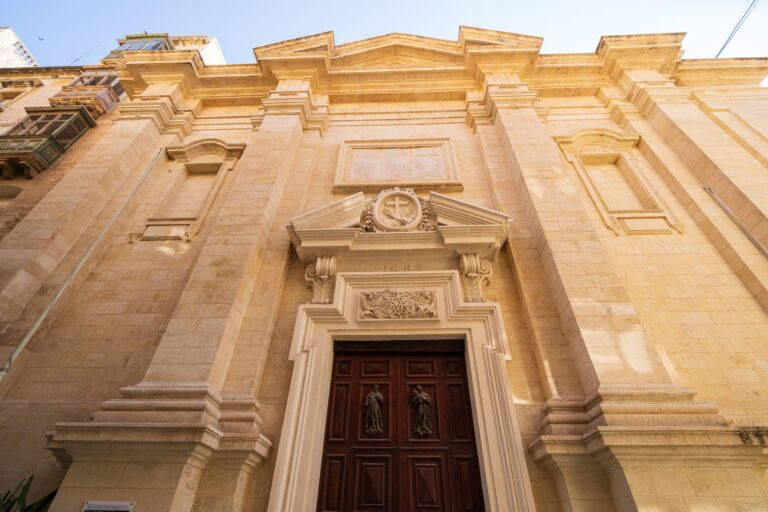
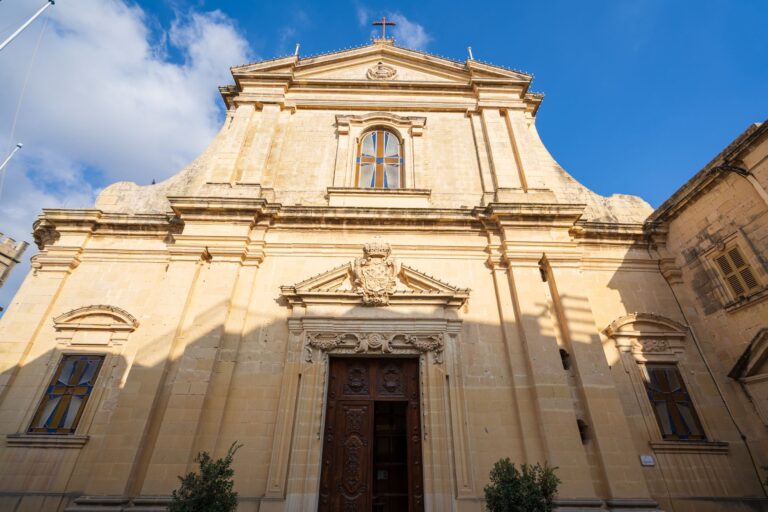
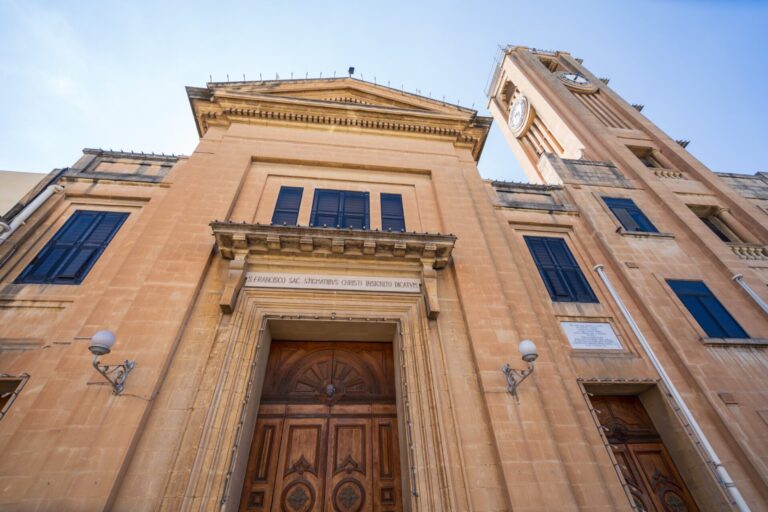
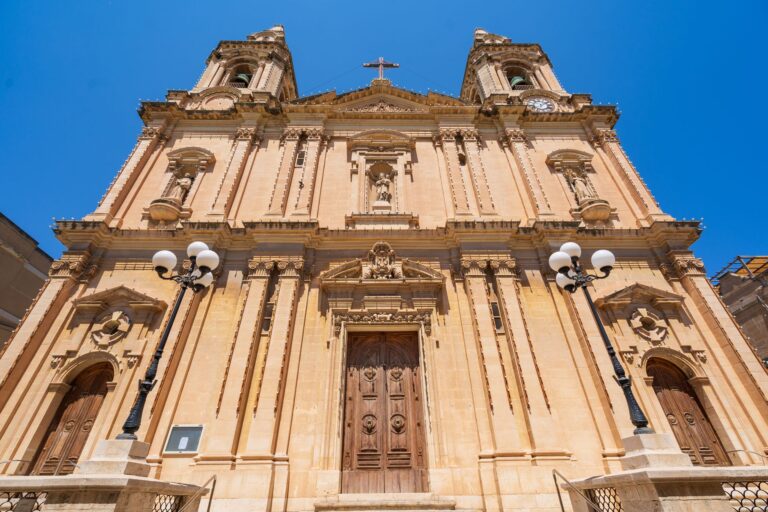
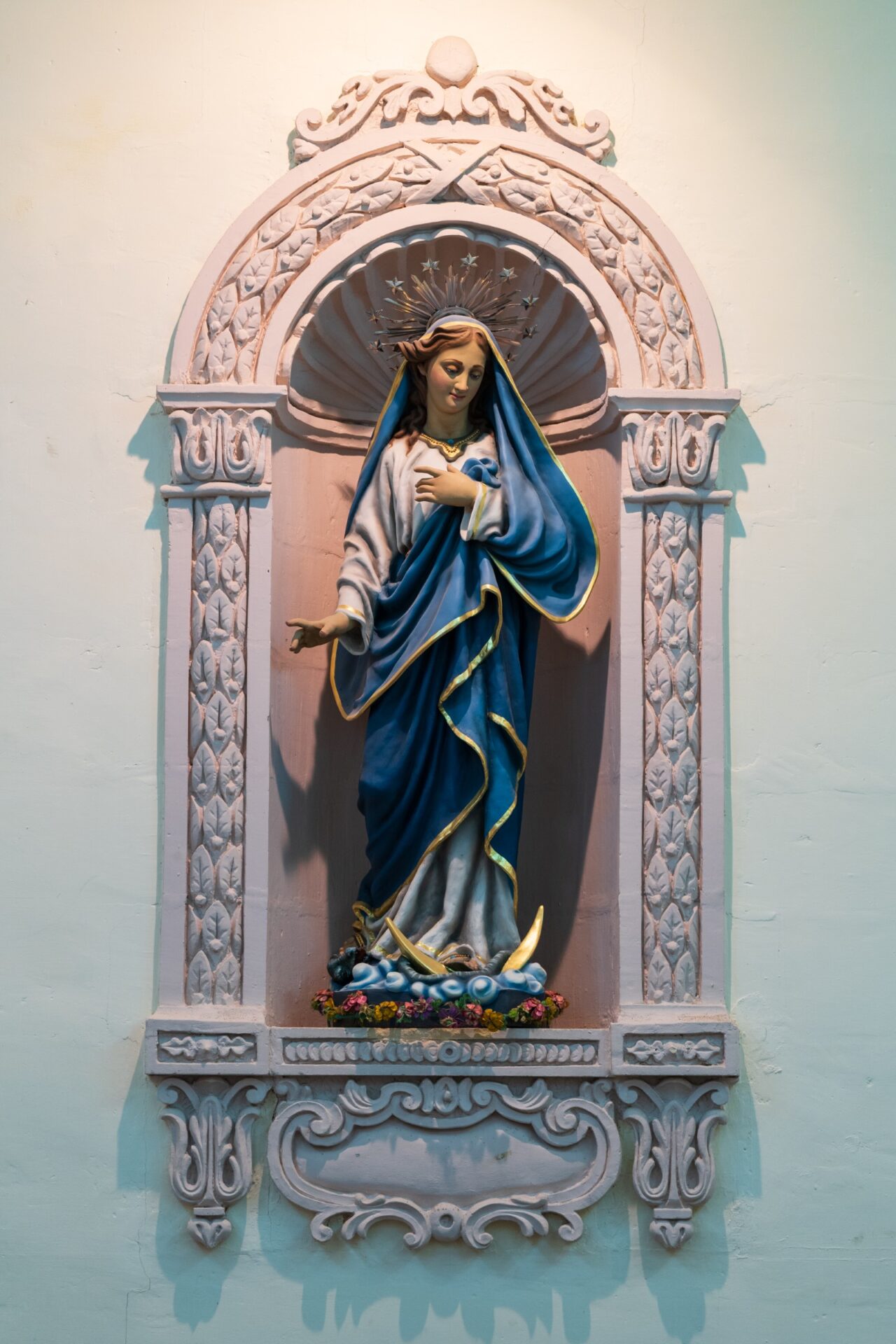
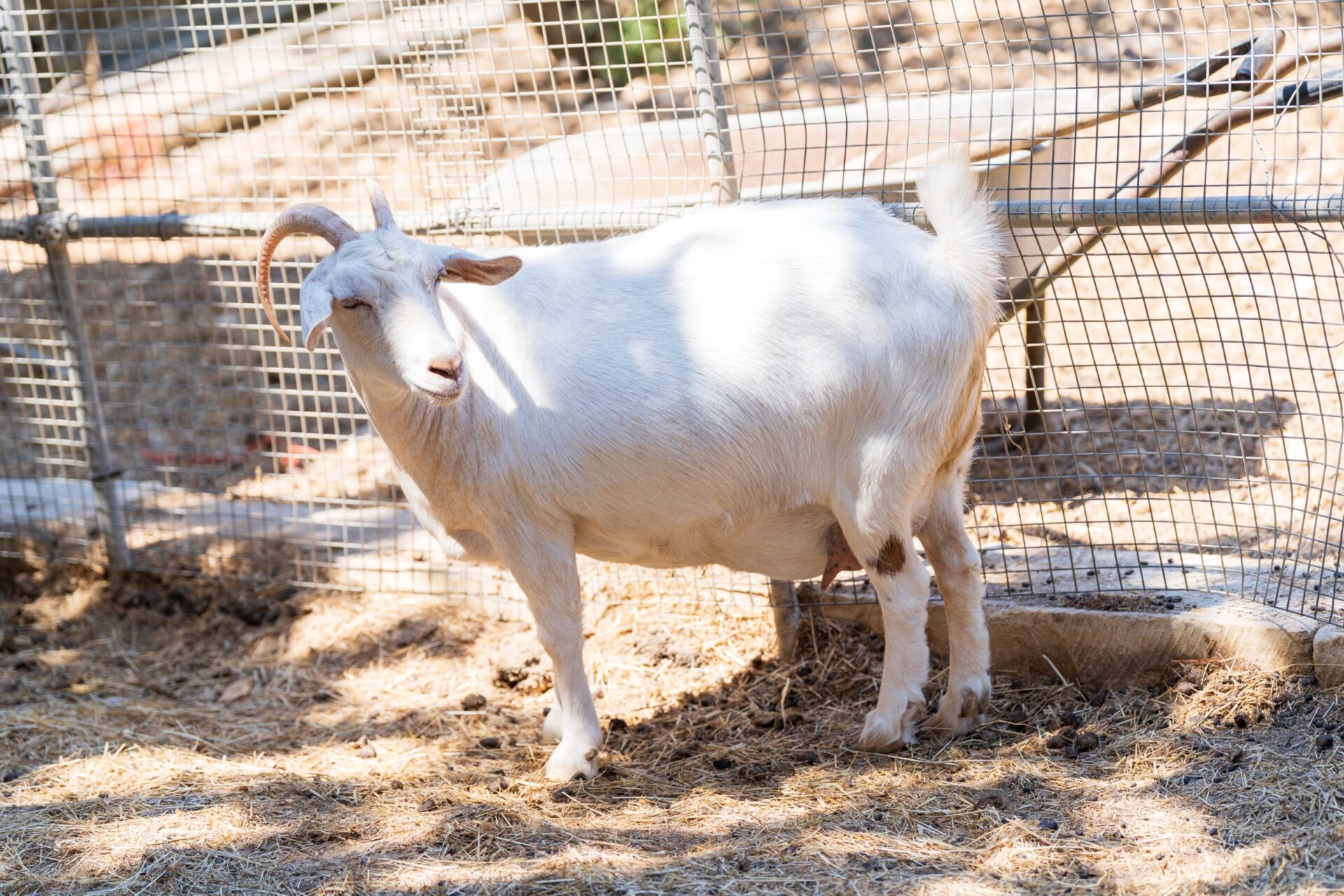
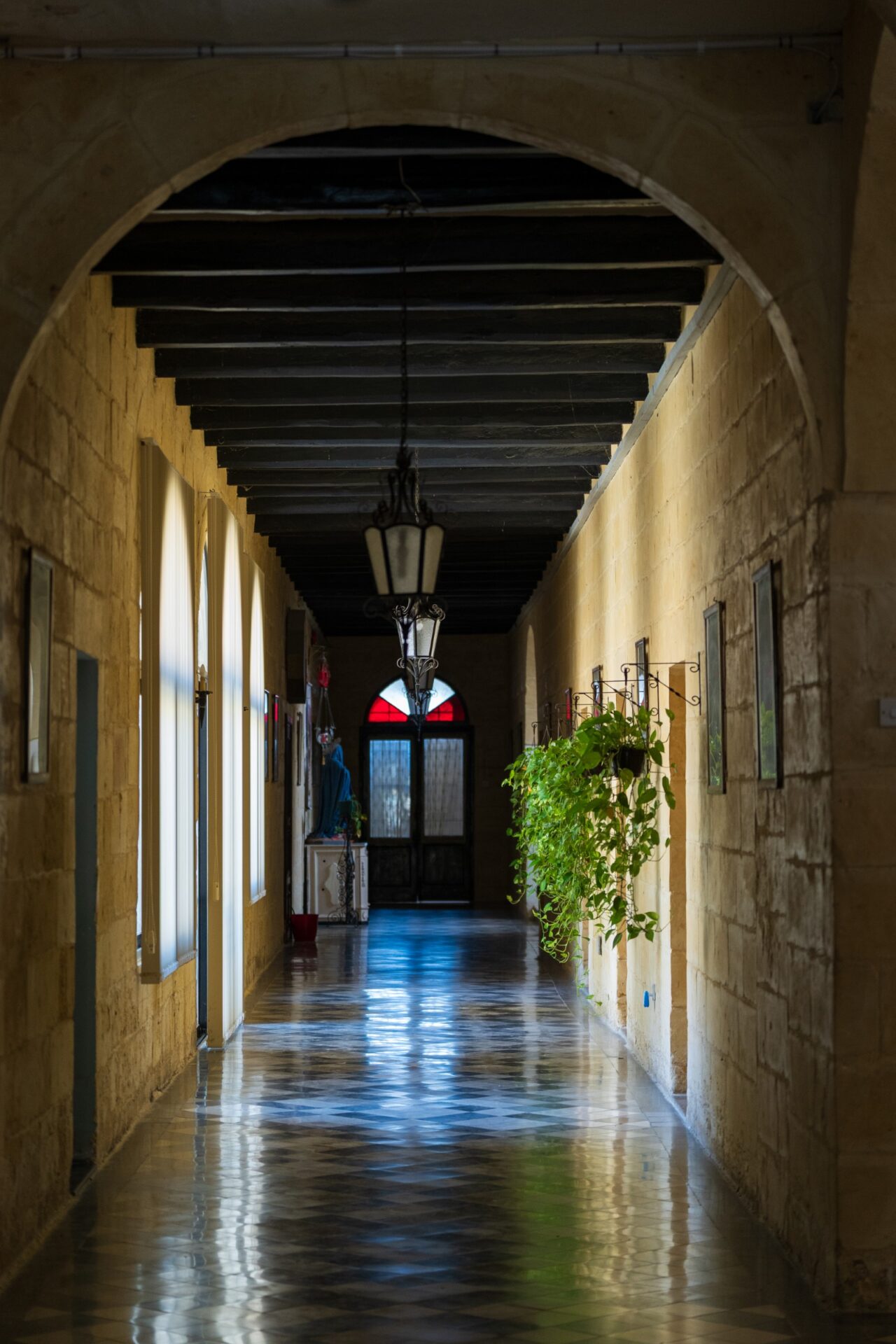
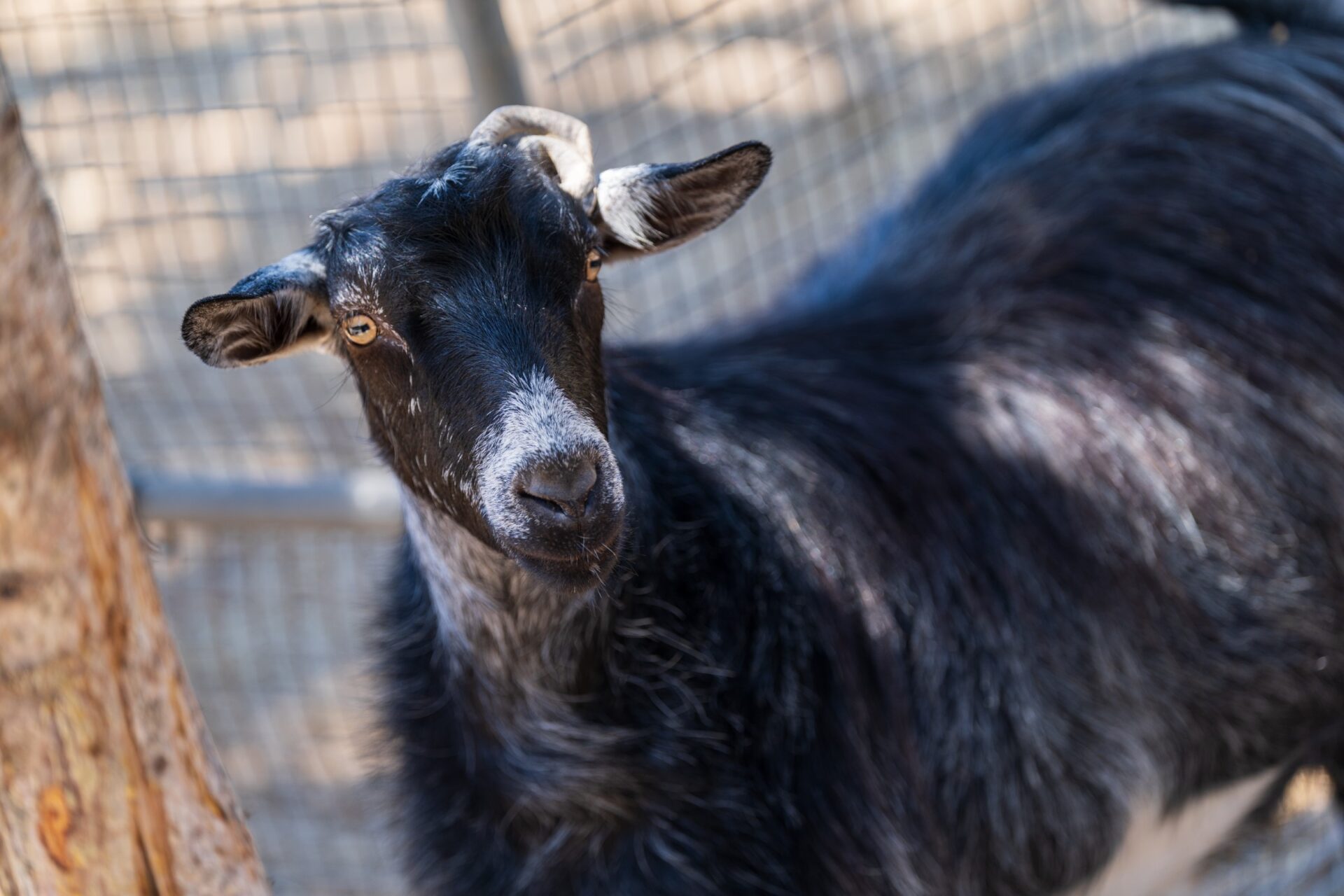
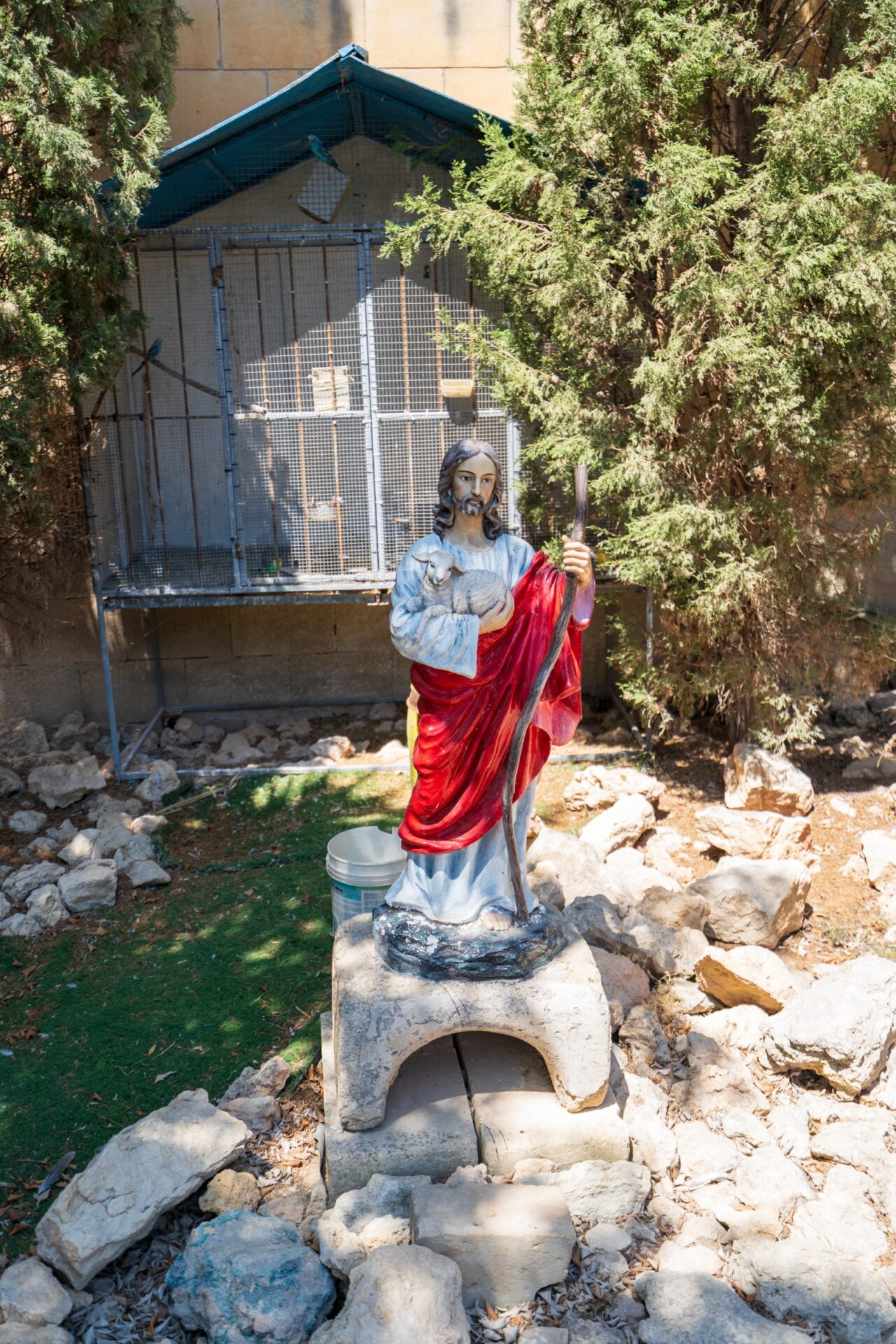
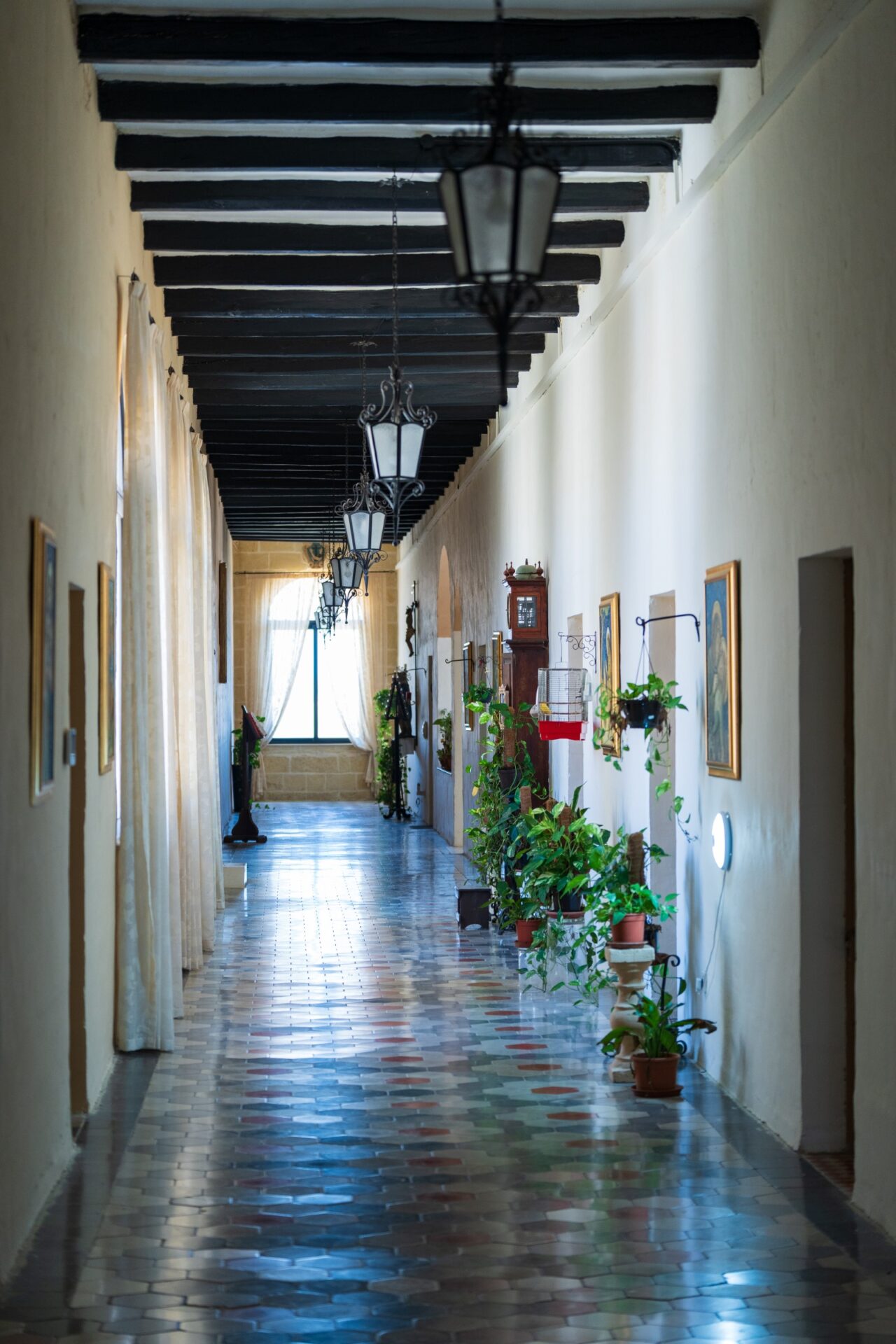
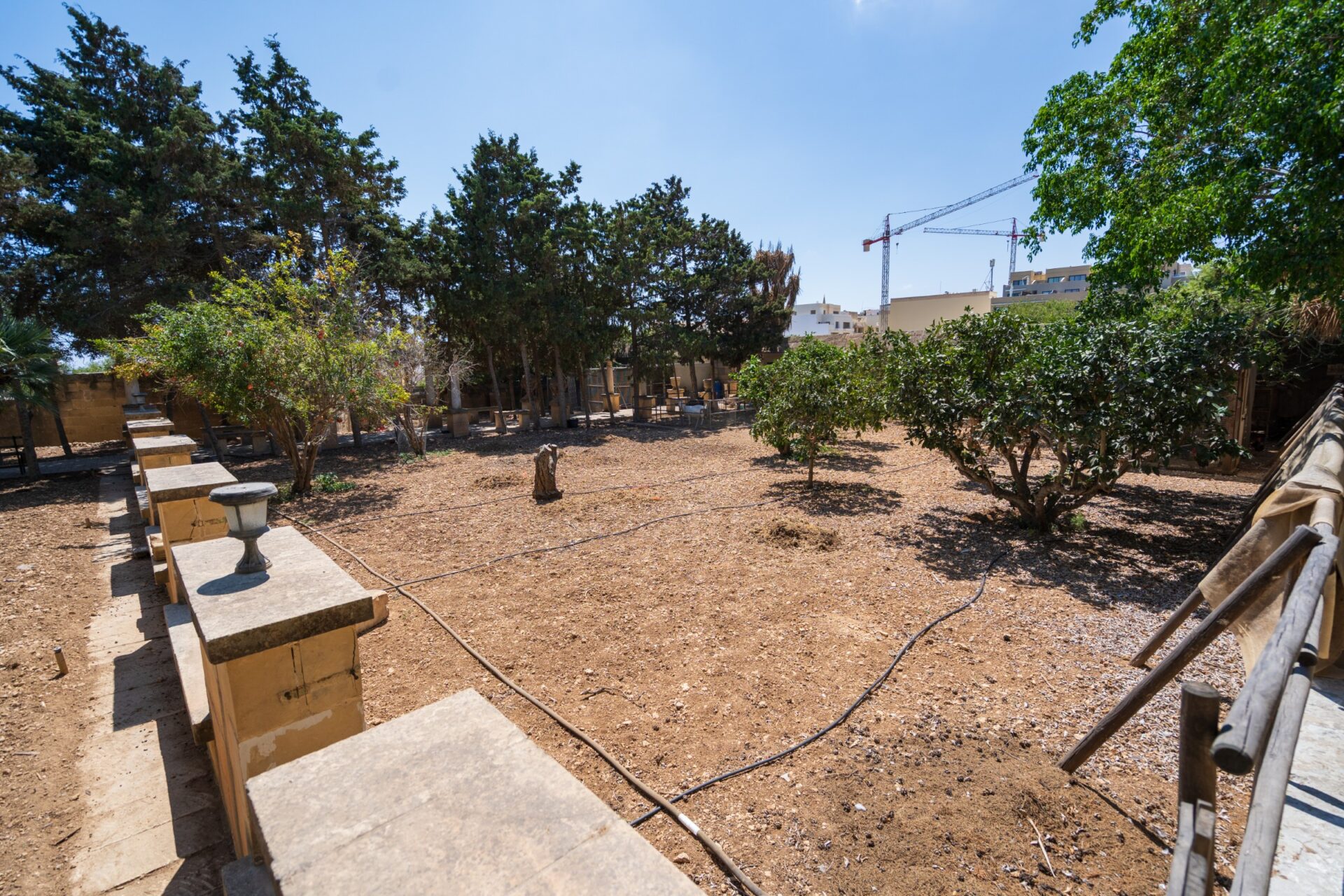
Images of the friary and its church.
The community
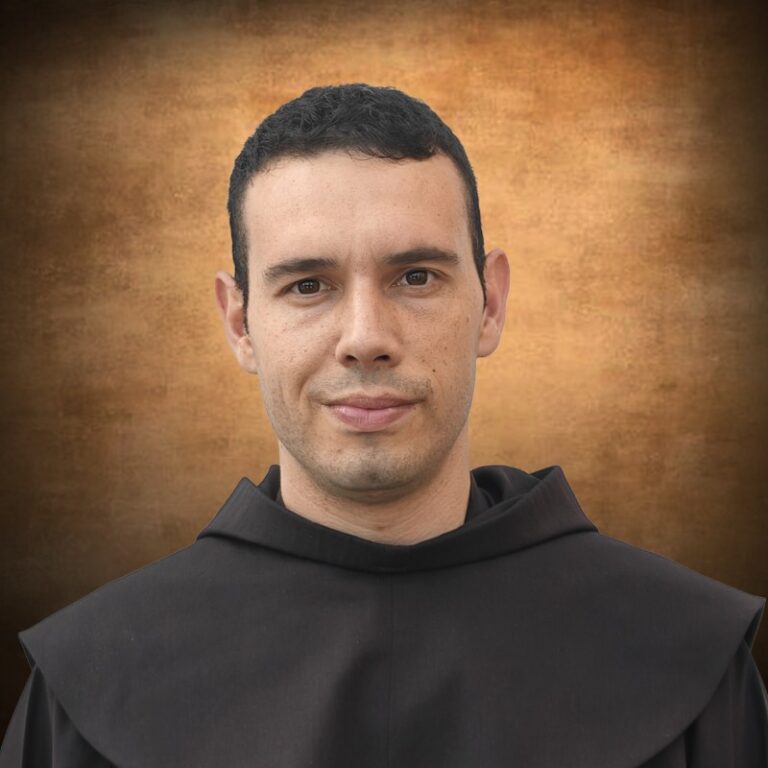
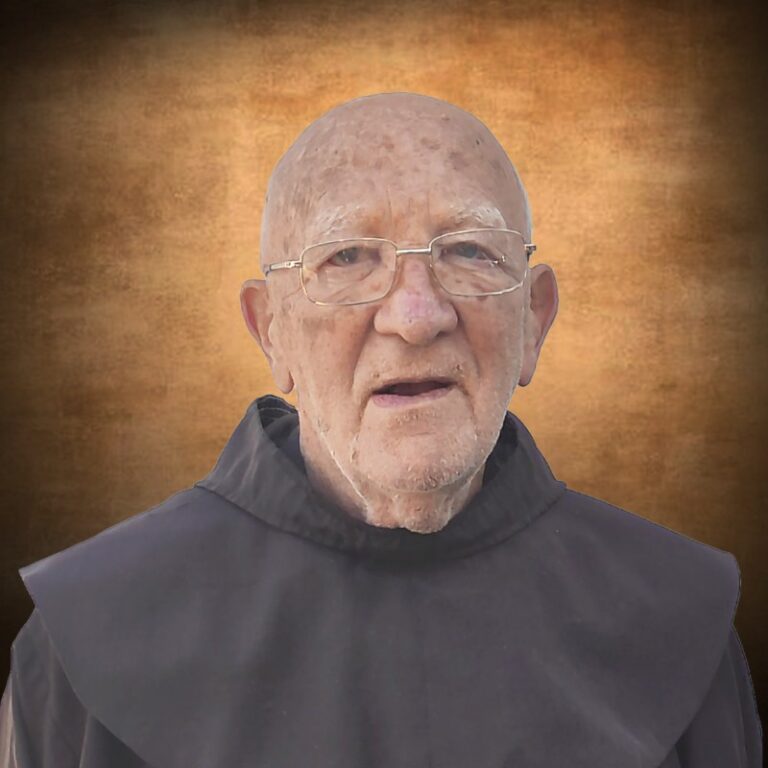
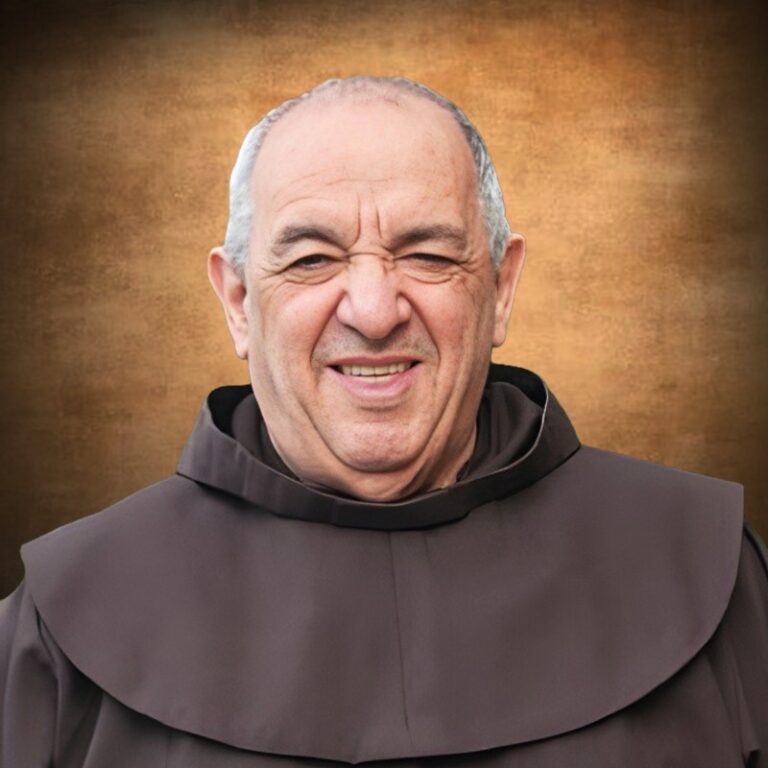
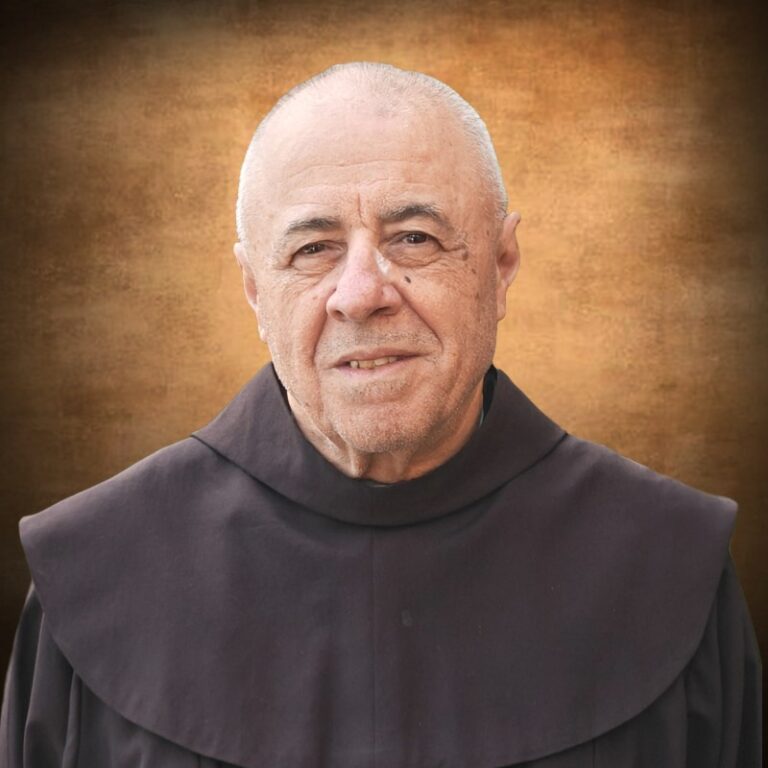
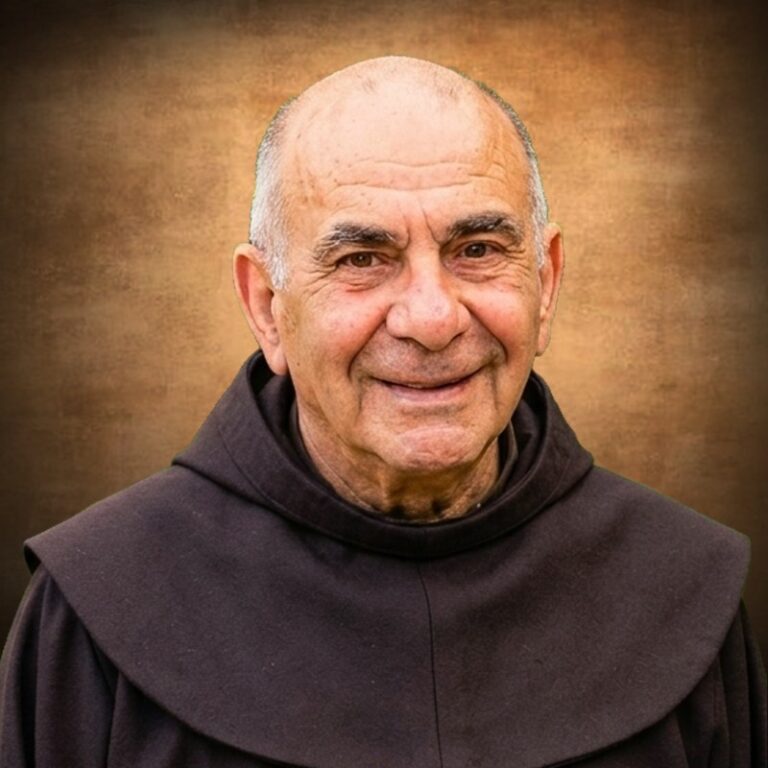
8 friars live at this house.
-
-
-
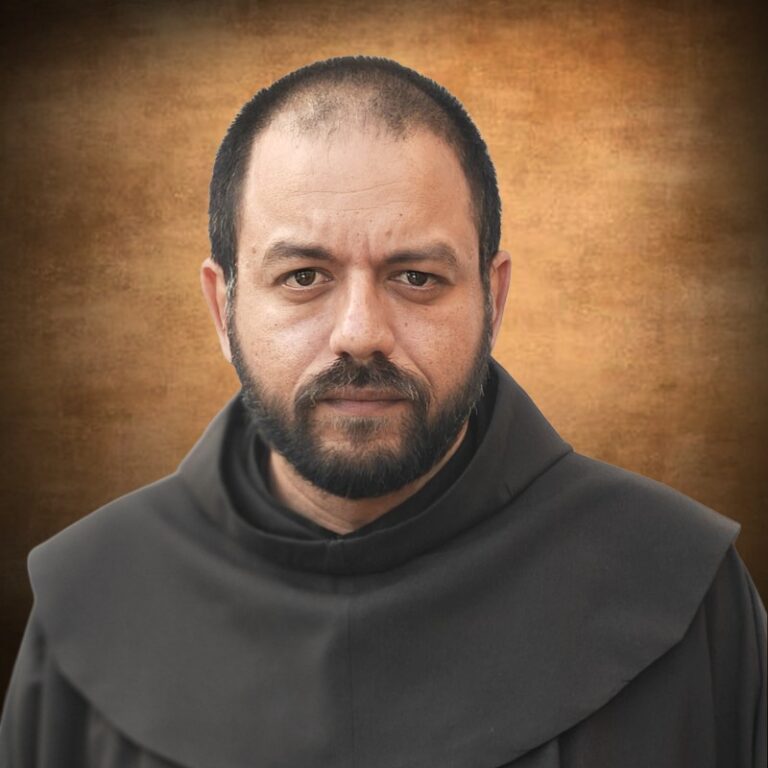 Br. Christopher Bilocca OFM Temporary Professed: Formation House in GozoLiturgist and Master of Ceremonies
-
-
-
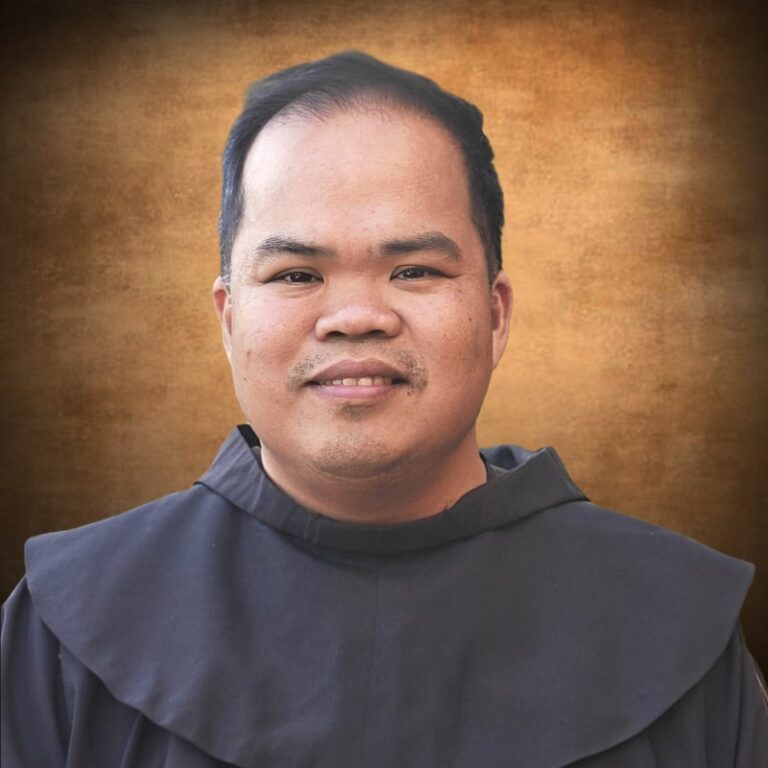 Fr. Andro Fernandez OFM VicarMaster of Temporary Professed, President of Coetus Formatorum, Chaplain for the Filipino Community in Gozo, Pastoral Work
-
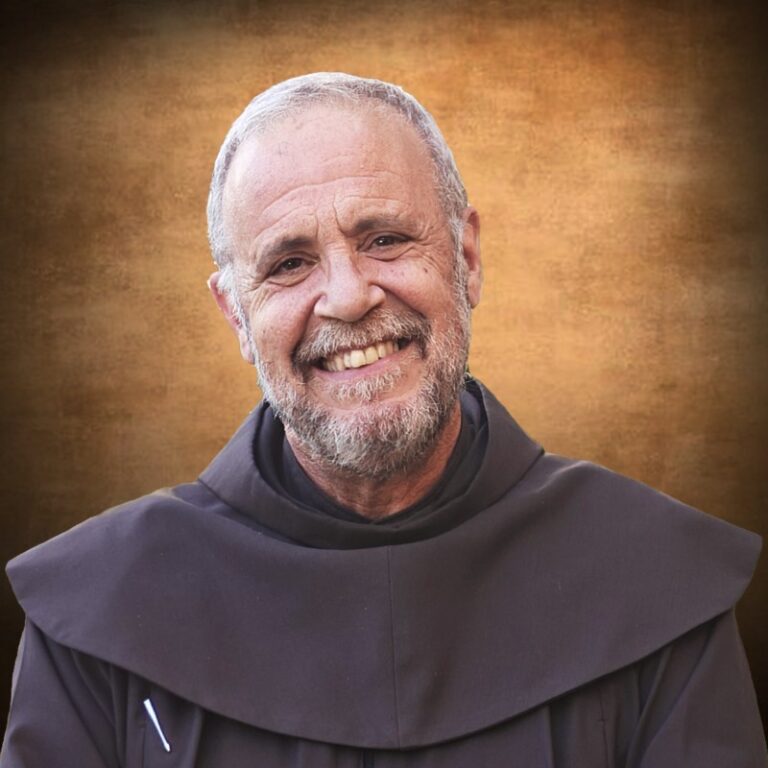 Fr. Marcello Ghirlando OFM GuardianBursar, Secretary for Formation and Studies, Vice Master Temporary Professed, Member Coetus Formatorum, Rector, Episcopal Conference Delegate Commission for Satanism and Occult, Gozo Diocese Delegate for Religious, Lecturer of Sacred Scripture at the Faculty of Theology and at the Gozo Seminary
-
The other friaries
Five more houses in Malta and Gozo.